How Smart Tools Are Changing Workflows
How AI tools like Gemini and Claude are reshaping operations management, improving workflows, and solving everyday business challenges like time tracking and productivity.


Blog
AI in operations management
How AI tools like Gemini and Claude are reshaping operations management, improving workflows, and solving everyday business challenges like time tracking and productivity.

AI is no longer just a buzzword. It is becoming part of daily work across industries. From writing code to managing workflows, tools like Gemini, Claude, and ChatGPT are stepping into roles that used to take hours of manual effort.
In this episode of Trouble Busters, Valentin Beres shares how AI is already shaping operations inside Synergo Group, with a focus on real problems like time tracking, invoicing, and productivity.
This is not theory. It is what is happening right now inside a working team.
The episode starts light, with a simple prompt: “Hey Google, tell me a joke.” But that quickly shifts into something more serious.
AI assistants are no longer just for fun. They are becoming part of everyday work habits.
Valentin explains that:
Gemini is his go-to for conversations and quick help
Claude is used for writing and coding tasks
Siri still has a long way to go in usefulness
This reflects a bigger trend. People are not using one AI tool. They are choosing different tools based on the task.
Key takeaway: AI adoption is becoming task-specific, not tool-specific.
Behind every company, there are small problems that slow everything down.
One of the biggest ones discussed in the episode is time tracking.
It sounds simple, but in reality:
People forget to log their time
Managers spend time chasing updates
Data becomes incomplete or inaccurate
This creates friction across billing, reporting, and planning.
Valentin highlights something important here. The issue is not the tool. It is the human behavior around it.
This is where AI starts to make a real difference.
Instead of forcing people to follow rigid processes, AI can:
Assist with reminders
Automate repetitive steps
Reduce the need for manual follow-ups
In operations, this means less time spent on admin work and more time on actual value.
Example from the episode:
Improving workflows around invoicing and time tracking by removing friction points rather than adding more rules.
The conversation also gives a practical look at how different AI tools perform in real work scenarios.
Gemini
Best for conversation and quick assistance
Works like a personal assistant
Claude
Strong for writing and coding
Reliable for structured tasks
Often seen as a “workhorse”
Siri
Limited usefulness in professional workflows
Still more of a basic assistant
This kind of comparison is useful for teams deciding where to start with AI.
AI in operations is not about replacing people. It is about removing the boring parts of work.
When teams spend less time on:
Logging hours
Chasing updates
Managing repetitive tasks
They can focus more on:
Problem solving
Strategy
Client outcomes
For companies like Synergo Group, this shift helps improve both efficiency and team satisfaction.
One of the strongest ideas from the episode is this:
The goal is not to add more tools. The goal is to make work easier.
Many companies try to fix problems by adding new systems. But this often creates more complexity.
AI offers a different approach:
Simplify workflows
Support people instead of controlling them
Reduce effort, not increase it
This is where real value comes from.
If you are thinking about using AI in your organization, start here:
Identify friction points
Look for tasks people avoid or delay
Match tools to tasks
Use different AI tools for different needs
Focus on adoption, not just tools
A tool is only useful if people actually use it
Start small
Improve one workflow before scaling
This episode of Trouble Busters shows a clear shift.
AI is moving from “interesting” to “essential.”
Not because it is new. But because it solves real problems:
Time tracking
Workflow inefficiencies
Productivity gaps
And it does it in a way that fits how people actually work.
I oversee testing strategies and ensure top-notch quality across projects. One of the things I enjoy most is sharing knowledge, teaching new skills, and learning from others. Outside of work, I’m passionate about using my QA expertise to benefit communities through public speaking and initiatives that promote better quality standards.

Explore how AI is transforming IT recruitment, enhancing efficiency with automation.

Learn how novel solutions are redefining the healthcare landscape and why you should download the full report.
Learn how a technical analyst connects business needs with technology to ensure project success.

A comprehensive understanding of Data Context Interaction (DCI).

In a move that echoes innovation and inclusivity, Magnusmode, has joined forces with Metrolinx to transform transit accessibility.
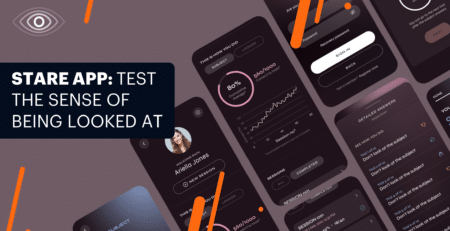
The STARE App is a web-based tool designed for Dr. Rupert Sheldrake to study the sense of being looked.

Instead of writing code, describe the logic flow to Gemini. Meet Moneypenny

Troublebusters is a new series from Synergo Group, digging into the real challenges that come with building software.

Find out how MagnusCards® supports inclusion in its many forms.